
Traditional Loan
Conventional Loan
Conventional Loan
What is a Conventional loan?
A Conventional Loan is any mortgage loan not guaranteed or insured by the federal government. This loan program can be used for a purchases, rate and term refinances, and cash out refinance.
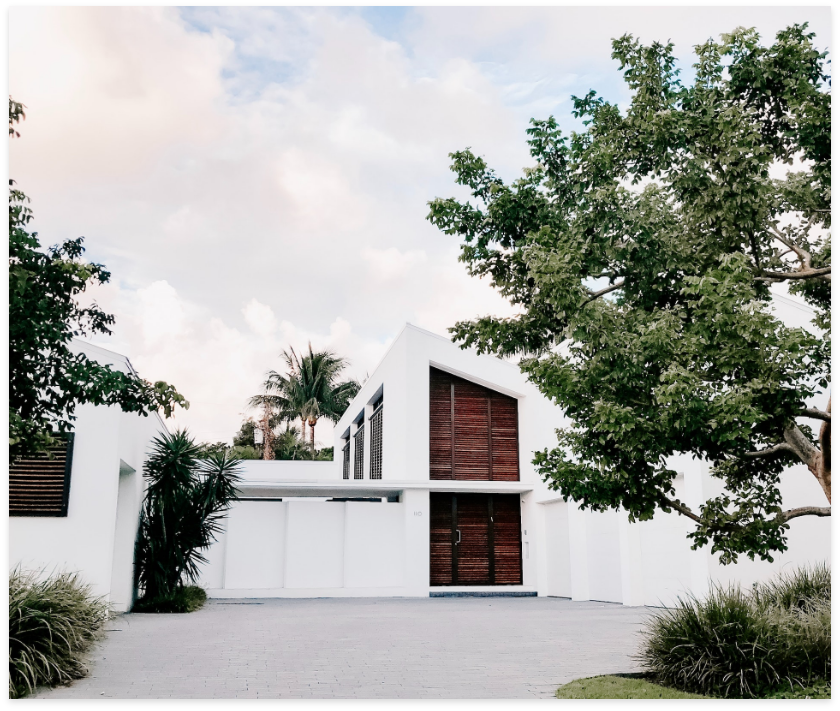

Conventional Loan
What are the qualifications for this type of loan?
Here’s a detailed look at the basic qualification for a conventional loan.
- Credit score of at least 620
- Debt-to-income ratio of no more than 45%
- Minimum down payment of 3%, or 20% with no PMI
Conventional Loan
What are the benefits?
Here are some of the benefits that a conventional loan gives you.
Conventional loans come with competitive interest rates, that tend to reward higher credit scores with lower rates. This is a good reason to research your credit score and credit history before you decide it’s time to buy.
If you have a low-end credit score, you’ll have time to repair it, and improve your score, potentially save a grip of money over time with the reward of a better interest rate on your loan.
You can put as little as 3% down to purchase your home with a conventional loan. It does require mortgage insurance if you choose this route, which increases the cost, but unlike a government loan, such as an FHA, the mortgage insurance does not need to last for the life of the loan.
Once you have enough equity in your home to reach the 80% LTV (loan-to-value ratio) threshold (of your original purchase price or appraised value), your mortgage insurance goes away.
Borrowers who want to pay off their home quickly and save money on interest payments can opt for a shorter term 15 or 20 year loan. Some lenders even offer as low as 10 year terms and intervals like 17, 22, 25 and 27 year terms to pay back a conventional mortgage. Making larger payments on a short-term loan, if feasible, can save tens of thousands, if not hundreds of thousands of dollars for borrowers.
Conventional loans can be used for a variety of purchase types, including second homes, vacation homes, rental properties, multi-unit dwellings, and more. The rules for VA, USDA, and FHA approved property types vary from program to program, but the primary commonality is the fact that it MUST be used as a primary residence.

